
- Energy Efficiency
Efficient Electrification: Practical Choices for Your Business
Assess practical ways to replace gas and diesel equipment with efficient electric alternatives, with measured savings, infrastructure planning and investment-grade reports.
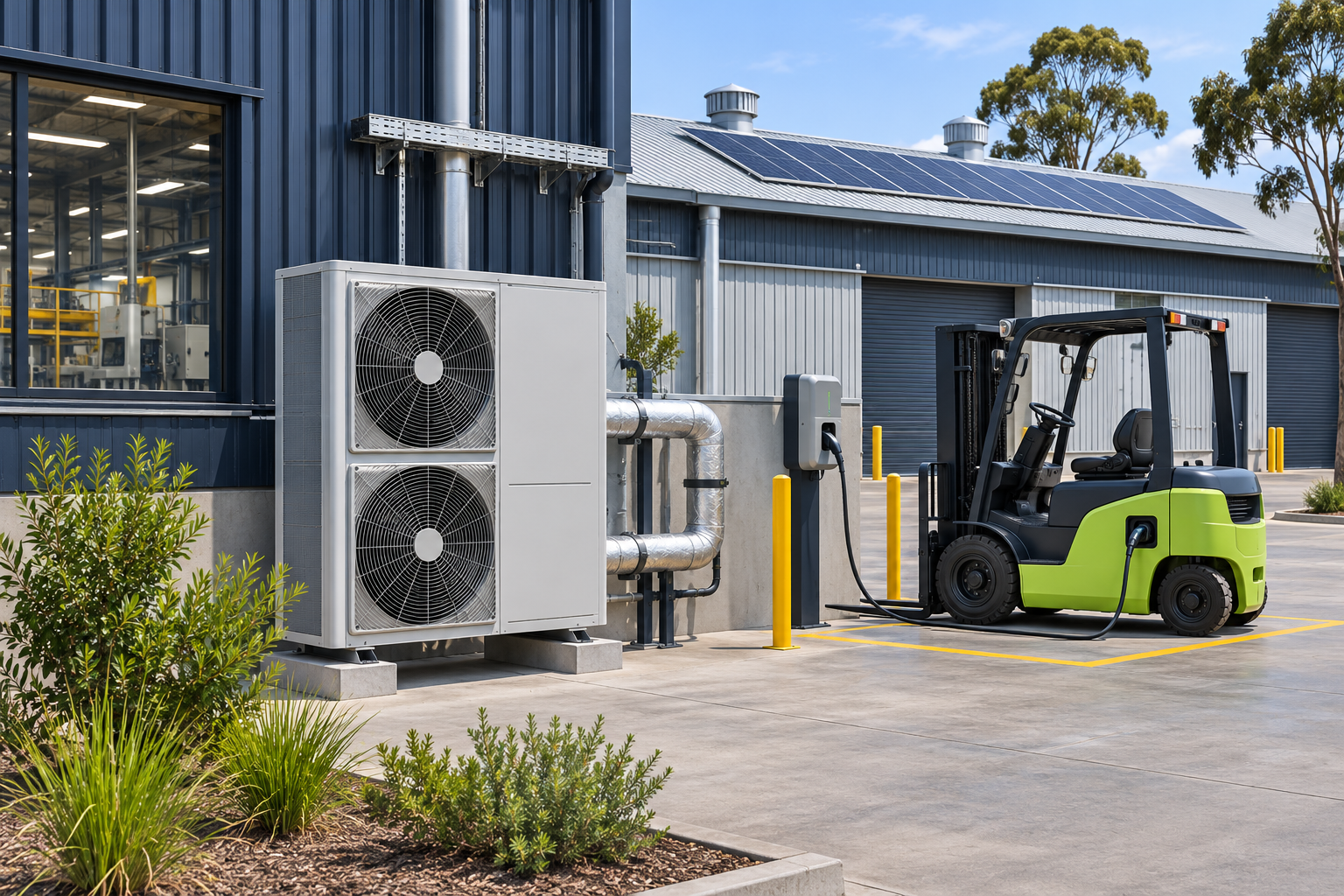
Lower operating costs, better control and a practical path away from fossil fuels: these are good reasons to consider electrification. The investment needs to suit your process, your electrical installation and your business.
Why consider electrification?
Electrification means replacing equipment that uses gas, diesel or other fuels with electric alternatives. Done well, it can reduce purchased energy, simplify maintenance and improve process control. It can also remove combustion exhaust at the point of use.
Changing the energy source alone does not guarantee lower costs or emissions. Efficient electrification combines suitable technology, sensible controls and an assessment of the complete installation.
Where can it work in your business?
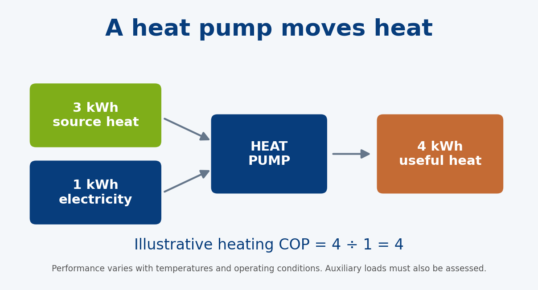
Hot water and process heating: replace suitable fuel-fired duties with heat pumps, or assess electric boilers, induction and other electric heating methods where the temperature and process suit them. Heat pumps can transfer several units of heat for each unit of electricity; resistance heating typically delivers approximately one unit at the element. Understand heat-pump efficiency.
Space heating: appropriately designed reverse-cycle systems can replace gas heating, with controls and zoning matched to occupancy and operating hours.
Forklifts, vehicles and mobile equipment: electric alternatives may reduce fuel and maintenance costs and eliminate engine exhaust during use. Check duty cycles, charging time, payload, operating conditions and battery life before selecting equipment.
Cooking and specialist processes: induction, electric ovens and other technologies can offer precise control and reduce combustion heat in the workspace. Suitability depends on throughput, product requirements and the working environment.
Start with efficiency, then plan the electrical load
Reducing unnecessary heat loss, improving controls and recovering useful waste heat can reduce the size and cost of the replacement system. An energy-efficiency audit identifies the work actually required and establishes a baseline for comparison.
Electricity consumption may increase while gas or diesel use falls. Compare the combined energy and cost of the old and new systems, rather than treating an increase in the electricity bill alone as a failure.
An electrical infrastructure audit helps establish whether switchboards, transformers, cabling and protection can accommodate the proposed loads. Review power quality, phase loading, starting characteristics and any network connection changes before ordering equipment.
Manage timing, solar and storage
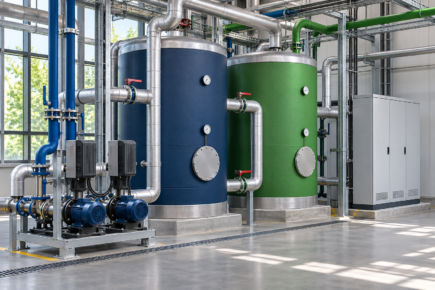
Running all new electric loads together can increase billed demand. Sequence flexible processes, manage vehicle charging and consider thermal storage or batteries where they improve the business case.
On-site solar may supply part of the new load when production and consumption coincide. Storage can shift that energy to another time, but introduces losses and costs. Neither solar nor a battery should be included without assessing its purpose. Read about demand management and energy storage options.
Does the investment stack up?
Compare the cost per useful unit of output—such as hot water delivered, tonnes processed or hours of productive equipment use. Include capital costs, electrical upgrades, fuel and electricity prices, demand charges, maintenance, equipment life and any residual value of existing assets.
The right time may be when equipment reaches the end of its useful life or when production changes. Compare the additional cost of electrification with the realistic alternative, not automatically with doing nothing.
Assess emissions separately using the relevant fuel and electricity factors, expected operating pattern and refrigerant impacts where applicable. Electrification removes certain on-site combustion emissions, but purchased electricity and supply-chain impacts remain relevant.
A staged plan can prioritise the strongest opportunities and coordinate infrastructure works. Check current incentives and finance options, with eligibility confirmed for the actual project.
How Energy Engineers can help
We provide energy-efficiency audits, electrical infrastructure audits and site measurements to establish your baseline and compare practical options. We explain which changes fit your process and where further investigation is needed.
An investment-grade report can cover the proposed solution, measured energy use, project costs, annual energy and dollar savings, cash flow, payback, return on investment, emissions estimates and sensitivity to key assumptions.
We also support engineering design and specifications, equipment selection, independent review of designs and supplier proposals, and infrastructure changes needed to integrate the new equipment.
Our client-side engineering project management can include procurement, contractor coordination, shutdown planning, installation oversight and commissioning support, followed by measurements to verify performance.
Discuss your electrification project or call 07 2111 8669.
Technical references checked 7 November 2026: Australian Government process heating guidance; HVAC guidance; NSW business fleet-electrification planning.

Share Article:
 Brisbane, AU
 (07) 2111 8669
